What Should Our Story’s Climax Include?

It’s tricky to tie up all the threads in our story’s Climax and even harder to give guidelines for how to write it, but let’s try to identify some story aspects we might want to include.
Pin It
Where Normal Need Not Apply
It’s tricky to tie up all the threads in our story’s Climax and even harder to give guidelines for how to write it, but let’s try to identify some story aspects we might want to include.
Pin It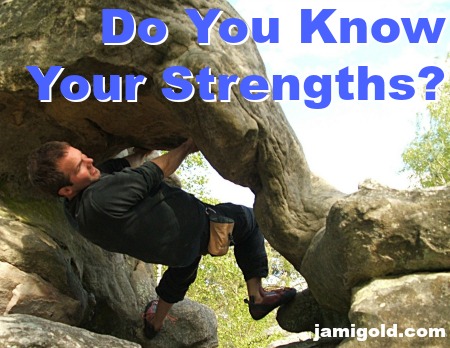
In situations where we want to improve—such as writing—we focus our time on analyzing our weaknesses, and that’s necessary to identify how we can reach the next level of expertise. But at the same time, if we fail to recognize our strengths, we might suffer in several ways.
Pin It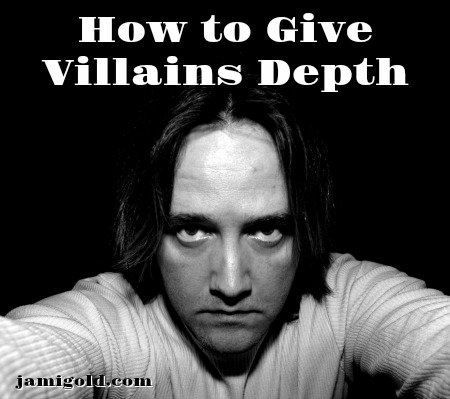
In Kristen Lamb’s guest post series on antagonists, we’ve talked a lot about the non-evil, non-villain style of antagonists. Today we’re finally(!) focusing on the villain and how we can avoid mustache-twirling by giving them depth.
Pin It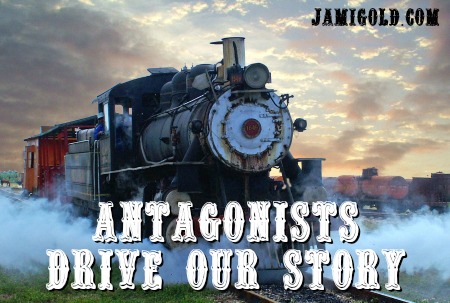
We’ve explored how antagonists act as the conflict-engine for our story, but our Big Boss Troublemaker isn’t in every scene. What keeps the rest of our story going? Kristen’s going to teach us today about scene antagonists.
Pin It
Over the past couple of weeks, Kristen Lamb has been kind enough to let me share her insights on antagonists: what they are, why they help define our story, how to strengthen them, etc. Today, we’re exploring how antagonists create our story from beginning to end.
Pin It
When faced with a scene with issues, many writers have the tendency to get rid of the scene and start over, but more often than not, the new scene has issues too. Re-writing won’t fix every problem, so let’s see if we can find a different approach: re-envisioning.
Pin It
We might sometimes wonder if our main character is worthy of the label protagonist or if our story would be better told through another character’s eyes. So let’s talk about how can ensure our main character deserves the role of protagonist.
Pin It
Some stories tell an engaging tale that’s entertaining but doesn’t necessarily feel deep. Other stories make us feel like we’re changed by reading them. Today, Jeff Lyons shares his insights into how to make each type of story the best they can be.
Pin It
Ever wonder how many writing “rules” have a reason beyond “because I said so”? Story structure exists not just because it makes our story stronger, but also because the story beats help communicate with readers–and understanding how can help us write and revise our story.
Pin It
Story is different from plot, but sometimes we can have lots of plot ideas, and we might not be sure if—or how—we can pull those together into something that feels like a story. Let’s get some tips…
Pin It


