Story Revisions: Keeping Track of Changes
Anytime we make a lot of changes to our story, we risk problems, but it helps to track the edits we need to make. How can we organize our revision?
Pin It
Where Normal Need Not Apply
Anytime we make a lot of changes to our story, we risk problems, but it helps to track the edits we need to make. How can we organize our revision?
Pin It
Every page of our story should include tension, such as friction between characters, but how do we create characters who clash? Let’s see how to develop characters who create tension in every interaction.
Pin It
Sometimes we’ll hear writing advice like “avoid clichés,” but what does that mean when it comes to story tropes? After all, can’t tropes be helpful? And if so, how do we make them less cliché?
Pin It
Writers need readers to grasp emotional information from non-POV characters, which can be a struggle. Becca Puglisi, co-author of the Emotion Thesaurus shares 6 techniques to avoid the problem.
Pin It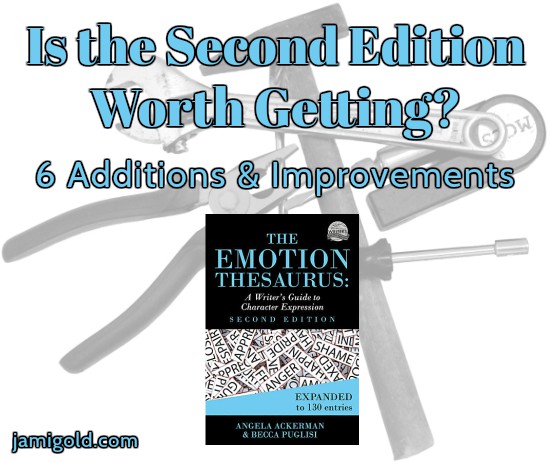
I’ve been helping Angela Ackerman and Becca Puglisi at Writers Helping Writers keep a big secret: The Emotion Thesaurus Second Edition! Angela and Becca have added new responses, new entries, and new writing tips.
Pin It
A character’s essence is about more than just unique characters, but what is their essence? These 3 perspectives on character essence teach us about our characters.
Pin It
Somewhere along our learning curve as writers, we’re likely to come across the skill of layering. Layering can help us create unique characters, no matter how stereotypical or tropey they might be on the surface.
Pin It
Traditions are part of our lives, so they should be part of our characters’ lives too. We can add a touch of realism to our stories by including a sense of traditions between characters.
Pin It
A recent Twitter thread brought up problematic reader expectations with story endings. Can we find a balance between “fulfilling our story’s promise and our genre’s expectations” and avoiding a cliché ending?
Pin It
Given reviews about too-abrupt endings, readers might want a sense of closure beyond what authors deliver. Should we use epilogues—or epilogue-like endings—to breach the gap?
Pin It


