While all diverse stories are important, the stories that should be most encouraged are those from authors who can provide an authentic perspective. Today, Wendy Sparrow shares her insights on what “own voices” means and how others can improve their non-own-voices stories.
Pin It
Read More
One of the many reasons we need feedback is to help us fill in the blanks for things we can’t see or for understanding how others might interpret our words. But what happens when readers see our words and understand our intention, but they don’t believe what we’re telling them?
Pin It
Read More
Yesterday marked the release of my fifth book, Stone-Cold Heart. Even though I didn’t do anything special, that was a mistake. We should take the time to celebrate our victories, no matter what they are or where we find them.
Pin It
Read More
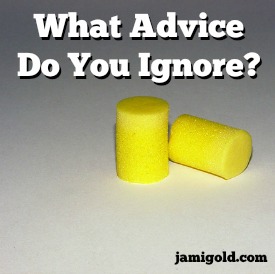
There’s no shortage of writing advice out there for us to learn. Some of that advice is questionable, a few tidbits are outright harmful, but most of it is decent-to-good. Yet even if advice is good, we still might want to ignore it. Yes, really.
Pin It
Read More
My series about Indie Publishing Paths at Fiction University has highlighted some of the choices we have to make as self-published authors, and now it’s time to pull all that information together and develop our “master plan.”
Pin It
Read More
Whether we pursue traditional publishing or self-publishing, rejection is a given for writers. Our choice simply comes down to how we’ll handle it. Will we let rejection hold us back, or can we see it as a sign that we’re doing something right?
Pin It
Read More
Due to my health issues over the past 14 months, I’ve missed a lot of self-imposed deadlines, and it’d be easy to get frustrated. But it’s important to remember that slow progress is not a failure. Slow progress is still better than nothing.
Pin It
Read More
I’ve mentioned before that I write very “clean,” which saves me money on editing. If we learn what we tend to get wrong and then watch out for those issues when writing, we can strengthen the skills that can help us write cleaner.
Pin It
Read More
When faced with a scene with issues, many writers have the tendency to get rid of the scene and start over, but more often than not, the new scene has issues too. Re-writing won’t fix every problem, so let’s see if we can find a different approach: re-envisioning.
Pin It
Read More
Certain types of reading are sometimes valued more than others. One descriptive term that’s often used as a put-down for genre stories is escapism, but is romance or any other genre story really “escapism”? What does that mean? Is escapism a “bad” thing, and if so, why?
Pin It
Read More