How Can We Make Our Story’s Conflict Stronger?
It’s time for another post as a Resident Writing Coach over at Writers Helping Writers, and this time we’re talking about the obstacles preventing change.
Pin It
Where Normal Need Not Apply
It’s time for another post as a Resident Writing Coach over at Writers Helping Writers, and this time we’re talking about the obstacles preventing change.
Pin It
A character’s false belief is central to a story’s internal arc, and the defining moment in a character’s backstory is key to creating that false belief.
Pin It
Backstory helps readers connect to our characters and provides context for their actions, but how can we make it compelling and avoid boring information dumps?
Pin It
Is a scene’s sequel—the reaction to a scene’s events—part of the scene? Or are they ever independent (and if so, how do we make them stronger)?
Pin It
Near the end of a story the protagonist often takes “a leap of faith.” How can we make our protagonist’s leap feel earned and strengthen our story’s theme?
Pin It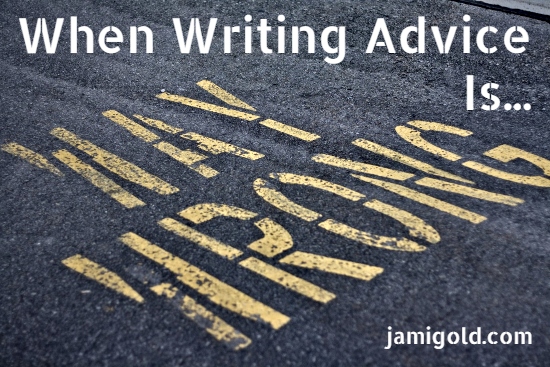
There’s no “one right way” in writing, so how should we approach writing advice if even the most frequently shared advice is often wrong?
Pin It
Tropes are often seen as lazy writing, but they can be good for our story. How can we make tropes meaningful and not cliché?
Pin It
Some stories benefit from multiple points of view, but only if we follow a few do’s and don’ts. Here’s how to write multiple POVs right.
Pin It
Character descriptions are often necessary in a story, but can be boring. Here’s Angela Ackerman’s 7 tips for how we can keep our character descriptions from slowing our story.
Pin It
Out in the world, conflict is usually considered a bad thing, but our stories need it. How much conflict does our story need and how can we add more?
Pin It


