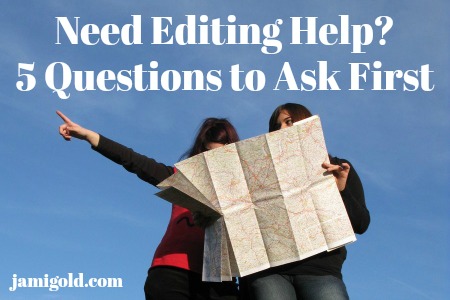
It’s hard to find an editor we can trust. To help, I’m sharing Part One of Jeff Lyons guest post with the questions we should ask before hiring story help, such as editors and consultants.
Pin It
Read More
It’s time for another post as a Resident Writing Coach over at Writers Helping Writers, and this time we’re talking about how to take the major beats of a beat sheet and apply them to our story’s genre.
Pin It
Read More
In Part Two, Jeff Lyons shares more of the most common writing myths and the lie and danger for us if we believe them. Learn the truth instead.
Pin It
Read More
In situations where we want to improve—such as writing—we focus our time on analyzing our weaknesses, and that’s necessary to identify how we can reach the next level of expertise. But at the same time, if we fail to recognize our strengths, we might suffer in several ways.
Pin It
Read More
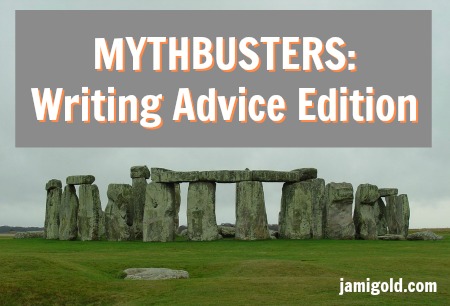
Some writing advice out there is great, while other tips are misleading, impossible to follow, or just plain wrong. Unfortunately, that bad advice can be shared just as much as the good advice. Today, Jeff Lyons busts some of the most common writing myths.
Pin It
Read More
Several situations related to the line between disagreeing and bullying have been swirling through Publishing Land recently, so I want to address the subject while it’s relevant. That said, I’m sharing my opinion in this post, and you might have a different opinion. That’s okay.
Pin It
Read More
In Kristen Lamb’s guest post series on antagonists, we’ve talked a lot about the non-evil, non-villain style of antagonists. Today we’re finally(!) focusing on the villain and how we can avoid mustache-twirling by giving them depth.
Pin It
Read More
We’ve explored how antagonists act as the conflict-engine for our story, but our Big Boss Troublemaker isn’t in every scene. What keeps the rest of our story going? Kristen’s going to teach us today about scene antagonists.
Pin It
Read More
We’ve been talking about antagonists lately, and how some writers minimize the conflict in their stories, even though “good fiction is the path of greatest resistance.” In a perfect bit of serendipity, a guest post by Janice Hardy today addresses the most common myth about conflict.
Pin It
Read More
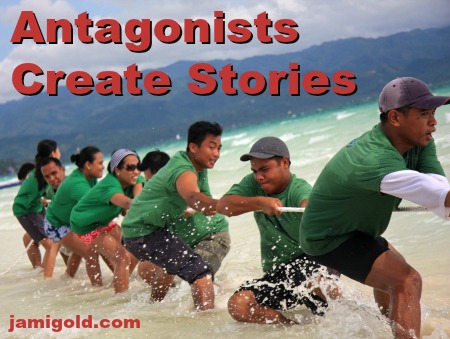
Over the past couple of weeks, Kristen Lamb has been kind enough to let me share her insights on antagonists: what they are, why they help define our story, how to strengthen them, etc. Today, we’re exploring how antagonists create our story from beginning to end.
Pin It
Read More