Worldbuilding: Your Story World’s History 101
Worldbuilding means we have to create the “rules” for our characters and their story world. How can we can develop our story’s world to make it feel real?
Pin It
Where Normal Need Not Apply
Worldbuilding means we have to create the “rules” for our characters and their story world. How can we can develop our story’s world to make it feel real?
Pin It
Sometimes we’ll hear writing advice like “avoid clichés,” but what does that mean when it comes to story tropes? After all, can’t tropes be helpful? And if so, how do we make them less cliché?
Pin It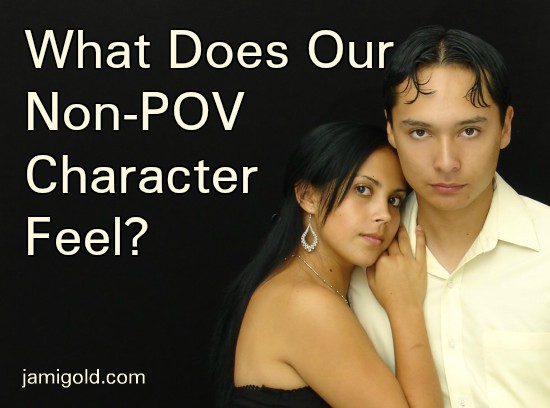
Writers need readers to grasp emotional information from non-POV characters, which can be a struggle. Becca Puglisi, co-author of the Emotion Thesaurus shares 6 techniques to avoid the problem.
Pin It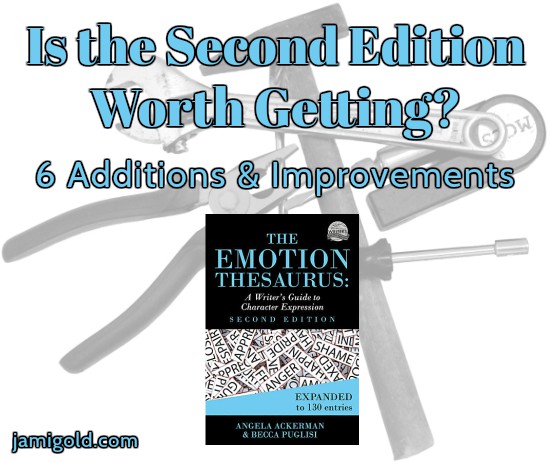
I’ve been helping Angela Ackerman and Becca Puglisi at Writers Helping Writers keep a big secret: The Emotion Thesaurus Second Edition! Angela and Becca have added new responses, new entries, and new writing tips.
Pin It
When faced with the many decisions of writing our story, the best choice is whatever tells the story we want to tell, but what does that mean? Let’s take a look at what storytelling really is and how we can improve our skills.
Pin It
The implication of the advice to “show, don’t tell” is that showing is “better” than telling when our story actually needs both. Let’s explore what “show, don’t tell” really means when it comes to storytelling.
Pin It
The word showing obviously makes us think visually, but same as us, our characters experience the world through more than just their visual sense. What are our options for showing beyond visual descriptions? Can we create a deeper world by engaging other senses?
Pin It
In the writing world, we often hear the advice to “show, don’t tell.” I’ve mentioned before that telling isn’t bad or something to be avoided at all costs, and a fantastic post by Cecilia Tan points out how the advice can actually be harmful.
Pin It
Several writing craft issues tend to be hallmarks of what’s called “lazy writing.” The practice of head hopping is usually considered lazy writing, but we might not understand why it earns that label. Let’s learn more and see how we can avoid head hopping and the “lazy writing” trap.
Pin It
I’ve said before that line editing is the hardest type of editing to nail down. We can say that line editing is about how we write scenes and paragraphs, but what does that mean? What does line editing encompass?
Pin It


