“A Leap of Faith” in Fiction and in Life
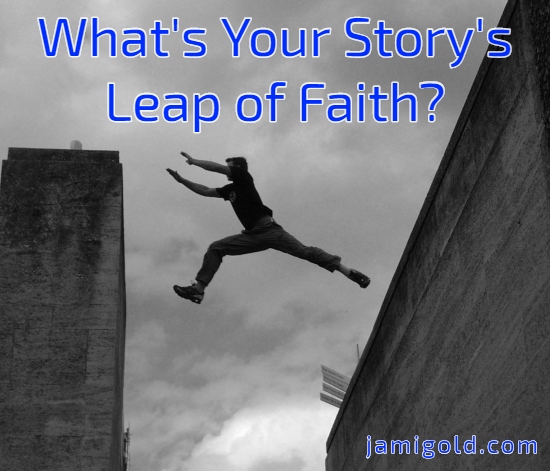
Near the end of a story the protagonist often takes “a leap of faith.” How can we make our protagonist’s leap feel earned and strengthen our story’s theme?
Pin It
Where Normal Need Not Apply
Near the end of a story the protagonist often takes “a leap of faith.” How can we make our protagonist’s leap feel earned and strengthen our story’s theme?
Pin It
If we’re overwhelmed, that stress isn’t good for our creativity. Let’s explore how to break tasks into manageable chunks—for writing and for our life.
Pin It
Just like big companies, we all take wrong turns sometimes, no matter how much experience we have. Mistakes aren’t a reflection on us or our choices.
Pin It
Even if we’ve read cover-design advice before, there’s always more to learn. Here are a few insights from Renee Wittman we might not have thought of before.
Pin It
Content warnings help readers find the types of stories they want. But how can we include them without spoilers—and what elements need warnings?
Pin It
There’s no “one right way” in writing, so how should we approach writing advice if even the most frequently shared advice is often wrong?
Pin It
If we don’t know where to go to get book recommendations beyond the “usual,” we might get stuck in a reading rut, so let’s share ideas for other resources to try.
Pin It
Self-rejection is thinking we can’t succeed because it’s hard, the chances are low, or we’ve struggled with it before. But we’re often capable of more than we think.
Pin It
Tropes are often seen as lazy writing, but they can be good for our story. How can we make tropes meaningful and not cliché?
Pin It
At some point in our writing career, we’re likely to struggle with writing when “life” happens. How can we plan for the unexpected and survive life’s chaos?
Pin It


