3 Ways to Define the Essence of Our Character
A character’s essence is about more than just unique characters, but what is their essence? These 3 perspectives on character essence teach us about our characters.
Pin It
Where Normal Need Not Apply
Tip-heavy posts about writing skills and concepts that improve our stories. Sample topics: how to create a strong character, storytelling skills, information dumps, using point of view, subtext, using themes, building scenes, etc.
A character’s essence is about more than just unique characters, but what is their essence? These 3 perspectives on character essence teach us about our characters.
Pin It
Somewhere along our learning curve as writers, we’re likely to come across the skill of layering. Layering can help us create unique characters, no matter how stereotypical or tropey they might be on the surface.
Pin It
The processes and techniques that worked on our last story might not work on our next one. So the more tools at our fingertips, the better our chances of finding something that will work.
Pin It
Ever notice how some stories transport you more immersively into the story world? Author coach J. E. Martin is sharing her 5-step plan to help our writing create a cinematic experience for our readers.
Pin It
Just as there are risks to breaking writing rules, there’s risk in emphasizing them too much as well. And what does “strong writing” really mean when it comes to developing our voice?
Pin It
It’s time for another post as a Resident Writing Coach over at Writers Helping Writers, and this time we’re talking about the lessons we can learn from stories that successfully break writing “rules.”
Pin It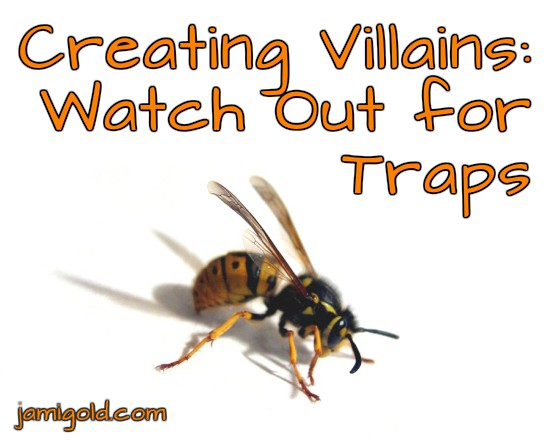
Depending on the type of villain in our story, the psychology we use to create our character changes. Kassandra Lamb shares her 8 “do’s and don’ts” to help us create our villains.
Pin It
The antagonist in our story might be a love interest or truly evil or anything in between. When our story requires a villain, we might struggle to avoid clichés. Kassandra Lamb shares her insights into psychopaths, sociopaths, and other bad guys.
Pin It
Do we need to write a million words before we can master the skills of writing? Maureen Crisp, a judge for a major book award with entries from debut and veteran authors, knows what it takes to be a writing master.
Pin It
Fiction has to make more sense than real life, and logic and consistency are required. Selina J. Eckert shares her advice on how to make sure our fiction rings true through fact-checking.
Pin It


