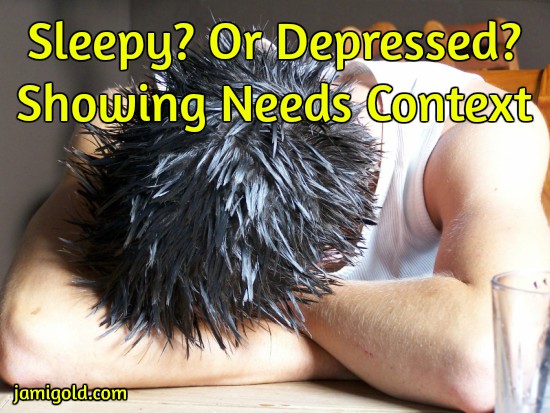
The implication of the advice to “show, don’t tell” is that showing is “better” than telling when our story actually needs both. Let’s explore what “show, don’t tell” really means when it comes to storytelling.
Pin It
Read More
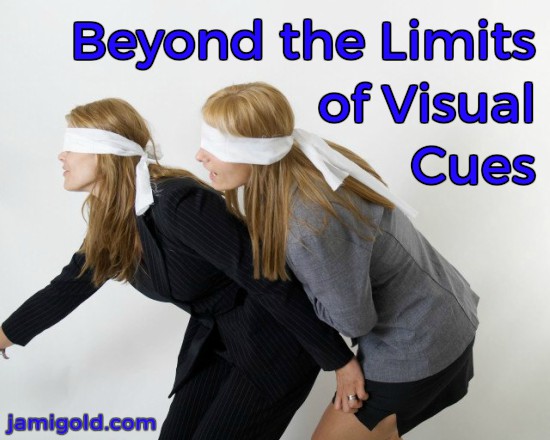
The word showing obviously makes us think visually, but same as us, our characters experience the world through more than just their visual sense. What are our options for showing beyond visual descriptions? Can we create a deeper world by engaging other senses?
Pin It
Read More
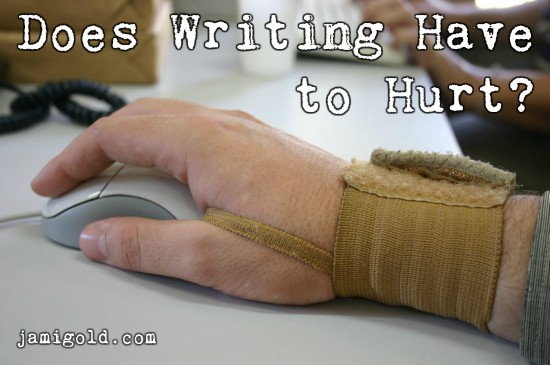
Chronic problems can affect our ability to write and are sometimes caused by typing. But we have options to help us overcome the aches and pains of writing so that we can once again escape into our characters and stories.
Pin It
Read More
Need a beat sheet for a short story? Technically, my beat sheets can be customized for any length story, but let’s take a look at how story structure changes with our story’s length and how beat sheets might need to adjust for short stories.
Pin It
Read More
Recently, a blog reader asked me whether she should worry about her word count while she revised. Her question highlights how a better understanding of the revision process can help our storytelling.
Pin It
Read More
A post by Claire Bradshaw over at Writer’s Edit ties in with our recent topic of plot holes, which can sneak into our character development and worldbuilding. Claire shares tips for finding all types of plot holes, as well as a step-by-step process for how to fix any we find.
Pin It
Read More
It’s time for another post as a Resident Writing Coach over at Writers Helping Writers, and this time we’re talking about plot holes, especially the kind that sneak into our stories.
Pin It
Read More
What makes writing “good” takes more than just learning writing craft. That gap between tangible skills and enjoyable stories means it’s always difficult to define what makes for good writing—especially our own.
Pin It
Read More
Several writing craft issues tend to be hallmarks of what’s called “lazy writing.” The practice of head hopping is usually considered lazy writing, but we might not understand why it earns that label. Let’s learn more and see how we can avoid head hopping and the “lazy writing” trap.
Pin It
Read More
For many writers, revision is the scariest step of the editing process because it involves much bigger changes than simply tweaking a sentence or word. Lisa Poisso is sharing her suggestions for how to improve our revision skills.
Pin It
Read More