How Should We Format Non-English Words?

As authors and audiences have diversified, it might be time to look at the standards for formatting non-English words and explore some of our options.
Pin It
Where Normal Need Not Apply
As authors and audiences have diversified, it might be time to look at the standards for formatting non-English words and explore some of our options.
Pin It
To get from our opening pages to the rest of our story, can an Inciting Incident story beat help us? How is that beat different from the First Plot Point?
Pin It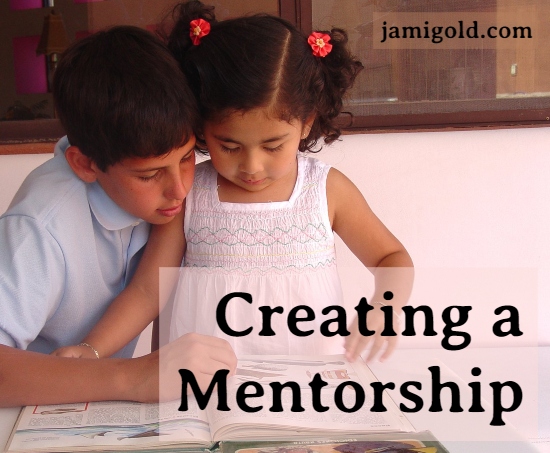
When learning something new, we’re often eager to find someone we trust to give us the lowdown. How can we make the most of a mentorship — real or virtual?
Pin It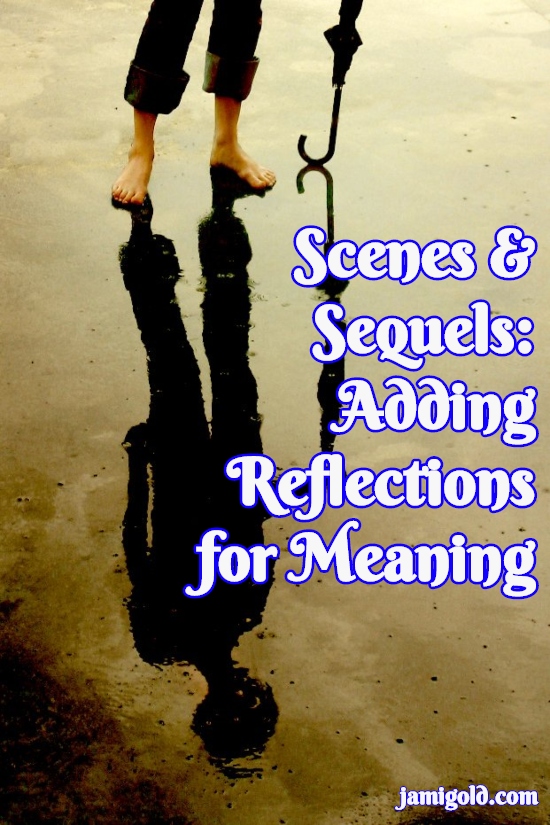
Of the many confusing words in the writing world, the worst might be the terms “scenes and sequels.” What’s the purpose of sequels and how do we write them?
Pin It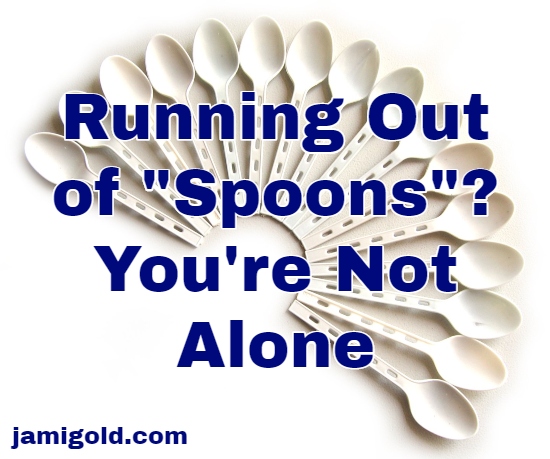
A month ago, we discussed how the coronavirus might affect us as writers. Since then, we’ve all had to learn how to cope with limits to our “spoons.”
Pin It
Some verb tenses can cause confusion with passive voice. What is passive voice, and how can we tell when the word “was” is not a sign of passive voice?
Pin It
Many writers struggle to use the past perfect tense correctly, so let’s review when the past perfect tense applies to our story and how to use it properly.
Pin It
The most important question we can ask to get in touch with every aspect of our story is “why”—even helping us escape generic or cliché storytelling.
Pin It
Most stories are written in literary past tense. What does that term mean, and if different from normal past tense, how is literary past tense different?
Pin It
A common question in writing forums asks when we should italicize a character’s thoughts. How should we format our characters’ internalizations?
Pin It


