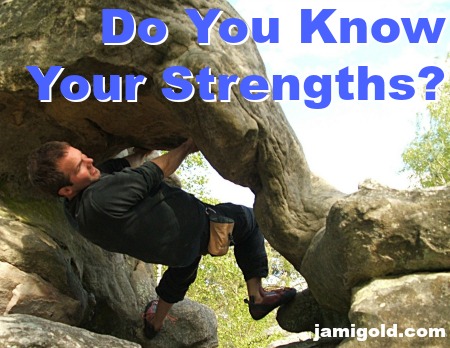
In situations where we want to improve—such as writing—we focus our time on analyzing our weaknesses, and that’s necessary to identify how we can reach the next level of expertise. But at the same time, if we fail to recognize our strengths, we might suffer in several ways.
Pin It
Read More
Some writing advice out there is great, while other tips are misleading, impossible to follow, or just plain wrong. Unfortunately, that bad advice can be shared just as much as the good advice. Today, Jeff Lyons busts some of the most common writing myths.
Pin It
Read More
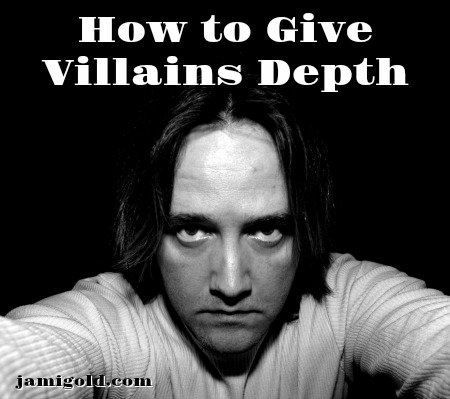
In Kristen Lamb’s guest post series on antagonists, we’ve talked a lot about the non-evil, non-villain style of antagonists. Today we’re finally(!) focusing on the villain and how we can avoid mustache-twirling by giving them depth.
Pin It
Read More
We’ve explored how antagonists act as the conflict-engine for our story, but our Big Boss Troublemaker isn’t in every scene. What keeps the rest of our story going? Kristen’s going to teach us today about scene antagonists.
Pin It
Read More
We’ve been talking about antagonists lately, and how some writers minimize the conflict in their stories, even though “good fiction is the path of greatest resistance.” In a perfect bit of serendipity, a guest post by Janice Hardy today addresses the most common myth about conflict.
Pin It
Read More
Over the past couple of weeks, Kristen Lamb has been kind enough to let me share her insights on antagonists: what they are, why they help define our story, how to strengthen them, etc. Today, we’re exploring how antagonists create our story from beginning to end.
Pin It
Read More
In a “man vs. self” story, we can’t just show a character arguing with themselves. Instead, Kristen shows us how to use a technique like in the movie Black Swan—where the outward antagonists represent the protagonist’s own issues.
Pin It
Read More
Sometimes, we’ll say that a character is their own worst enemy, such as the “man versus himself” story premise. However, those stories use proxies to provide a face for the opposition. Today, we’re going to dig deeper into this idea of man versus self to better understand the concept.
Pin It
Read More
All great stories are about one thing and one thing only—problems. More specifically? Every good story has one core problem in need of being resolved. Today, Kristen Lamb shares her insights into how problems, conflicts, and antagonists drive our story.
Pin It
Read More
A story’s meaning and hidden messages often lurk in the subtext. Subtext flows throughout our plots, characters, themes, genres…and story tropes. Depending on how we use and twist story tropes, we might create very different messages for readers.
Pin It
Read More