What Is Writers Block (Really) and How Can We Beat It? — Guest: Lisa Bell
Suffering from writer’s block? Lisa Bell shares the brain science behind what causes writer’s block and gives us “brain hacks” we can use to beat it.
Pin It
Where Normal Need Not Apply
Tips and advice about writing processes and improving how we write. Sample topics: fast drafting, brainstorming techniques, getting in touch with our muse, writing difficult scenes, writing resources and tools, making writing a priority, etc.
Suffering from writer’s block? Lisa Bell shares the brain science behind what causes writer’s block and gives us “brain hacks” we can use to beat it.
Pin It
When we’re drafting or editing our story, we usually have to keep track characters, secrets, plots, research, and story bible details. But for complex stories, we might want to create a Writer Crime Wall.
Pin It
The Scrivener drafting programs helps writers track daily word count and hit targets, but it’s not always intuitive. Scrivener expert Gwen Hernandez is sharing her Scrivener tips for NaNoWriMo, including how to compile our draft—one of the trickiest aspects of Scrivener.
Pin It
One the first day of NaNoWriMo, Pacale Kavanagh share insights and advice on how meditation can help our mindfulness to better focus, ignore distractions, and turbocharge our productivity.
Pin It
To make NaNo work for us, we need to figure out our goals for the experience—and there’s no wrong answer. However, if our goal is to create a coherent story, we should try to understand story structure.
Pin It
Just as we have go-to favorite authors that we know we can depend on for delivering a certain type of story, readers are evaluating us for what we can deliver: What’s our promise to readers when they pick up one of our stories?
Pin It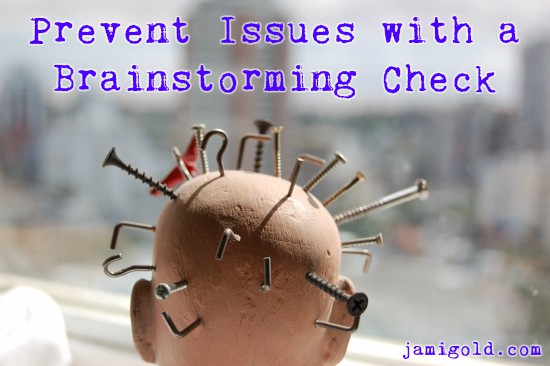
After we finish brainstorming and start trying to assemble our ideas into a story, that’s the perfect point in our writing process to avoid major problems by questioning what story issues we might run into before we write too many words.
Pin It
We often have more ideas for stories than we actually write, and somehow, we choose and prioritize. Why might we not write a story idea that we’re passionate about—and is there anything we can do to overcome those reasons?
Pin It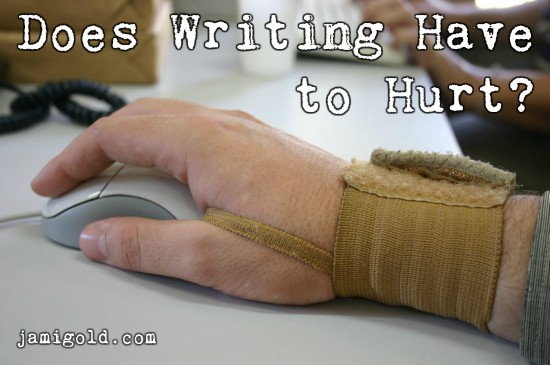
Chronic problems can affect our ability to write and are sometimes caused by typing. But we have options to help us overcome the aches and pains of writing so that we can once again escape into our characters and stories.
Pin It
The vast majority of us will write more than one story during our life, so at some point in our career, we’ll have to decide what we’re going to write next. The question then becomes, how do we decide?
Pin It


