We’ve probably all been frustrated with slow progress at some point in our writing career. Maybe we’re frustrated with the slow increase of our word count. Maybe we’re frustrated with an apparent lack of improvement in our writing. Or maybe we’re frustrated with our sales numbers. The point is that […]
Pin It
Read More
There’s never going to be a ‘one size fits all’ guideline for any aspect of writing. Every story is different, so some advice doesn’t apply to us. What’s right for one genre might not be right for another genre. Ditto for the point of view of the story. Or the characters. Or the plot.
Pin It
Read More
The ability to manipulate our readers’ emotions is a good thing (as screwed up as that sounds). Storytelling and keeping readers’ interest often comes down to creating emotions in our readers. So let’s take a closer look at how we create emotions in our readers and how we find the right balance.
Pin It
Read More
This week is Banned Books Week, an annual event sponsored by the American Library Association celebrating the freedom to read. Many have already blogged about the political aspects of this event, so I’m tackling this issue from a less serious perspective. Sort of. *smile*
Pin It
Read More
Many stories “strike out” with readers in the first chapter. So our opening pages are just as critical to sales as our book cover, title, back-cover blurb, etc. Let’s take a closer look at cliches to avoid and tips to make those pages work for us.
Pin It
Read More
After we complete a first draft, we might want to dig into revising right away because we’re still excited and passionate about the premise. But it’s often better to gain “distance” from our story first. Distance helps us see our story objectively so we can revise ruthlessly, not clinging to our intentions but seeing our story’s potential.
Pin It
Read More
If we’ve ever let beta readers or critique groups give feedback on our stories, we’ve probably run into the issue of receiving conflicting advice. In fact, if we’ve ever let more than one person read our work, we’ve probably received conflicting advice. *smile* One reader may love a character someone else hates. […]
Pin It
Read More
We’re all familiar with the concept of movie trailers, but book trailers are becoming more common too. Like a movie trailer, a book trailer is meant to increase interest in a story. Where queries and back-cover blurbs pitch a story in writing, book trailers pitch a story by showing. Literally. Some publishers […]
Pin It
Read More
Many articles and infographics have tried to answer the question of what makes readers stop reading. They usually include a list of offenses like typos, too boring, confusing, etc. And those are all true. But a recent post took a more analytical approach to measuring problem areas. Jefferson Smith started […]
Pin It
Read More
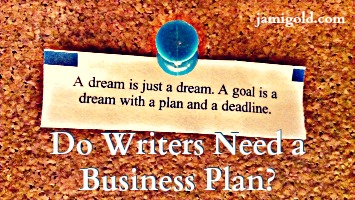
When we’re first starting out as writers, creating a business plan might be the last thing we want to do. However, a business plan can be anything we want it to be. In truth, there are far more non-business things we could include in a “business” plan than we might assume.
Pin It
Read More